
“Great speedy service, sorted my adblue, would highly recommend”
Steve Willis

AdBlue Delete and Removal enquiries often start with the same question: why is the warning still on after a refill? A full tank does not rule out an SCR fault, and the message may concern fluid level, dosing or emissions performance. Before adding more fluid or replacing parts, check the exact warning and your vehicle's refill instructions.
24/7 Emergency Callouts Available
Emergency Mobile AdBlue Assistance. Additional emergency callout charge applies. Subject to availability.
Don't just take our word for it. Discover why drivers across England choose AdBlue Expert for specialist vehicle diagnostics, reliable service and professional support.
5.0/5 GOOGLE RATING • 299 REVIEWS
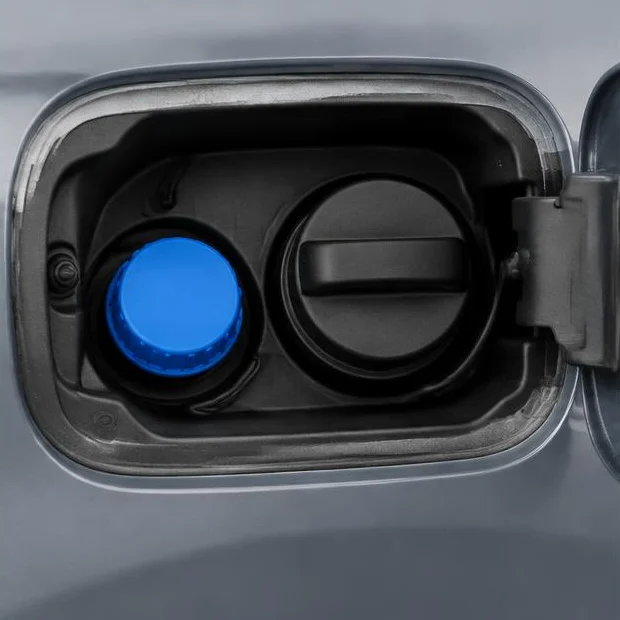
01Understanding the service
Some vehicles need a specified minimum refill quantity and a manufacturer-defined recognition procedure before the level warning updates. If the tank is genuinely full and the warning remains, possible causes include a level-sensing fault, wiring problems or a separate SCR fault involving pressure, dosing, heating or NOx measurement. Sensor designs vary, so an ultrasonic sensor fault should not be assumed. Do not keep adding fluid to an already full tank; follow the handbook's filling instructions.
Record the wording before clearing any codes. A low-level message is not the same as an emissions-system fault, although either may be associated with a start-prevention countdown on some vehicles. P203F means reductant level too low; if it appears after a confirmed refill, the level readings and refill recognition need checking. It does not by itself prove that the tank must be replaced. Other codes require their complete descriptions and vehicle-specific interpretation.
Peugeot and Citroën BlueHDi vehicles, SCR-equipped Mercedes-Benz Sprinters and some Audi TDI models can display warnings after a refill, but the systems differ by model, engine and year. Not every Sprinter or Audi TDI has AdBlue. Depending on the installation, diagnosis may include checking the measured level, wiring, pump pressure, dosing operation and NOx sensor data. Some components are serviced separately; others form part of an integrated assembly. Send your registration so we can check the likely fitment and advise what further identification is needed.
Diagnosis should come before a reset, software change or replacement tank. Follow the manufacturer's procedure to check refill recognition, then investigate any remaining codes and implausible readings. A repair may require a supported reset or adaptation afterwards. If a start-prevention countdown is active, arrange assessment promptly: topping up may not clear a system fault, and restarting may be inhibited when the countdown expires. Mobile assessment depends on vehicle access, location and the work required.
Similar dashboard messages can have different causes. These distinctions help avoid replacing a level sensor when the underlying problem is elsewhere:
From booking to completion, our experienced mobile technicians make the process straightforward.
We confirm your vehicle, location, service and appointment.
On the day, your technician calls with an estimated arrival time.
We connect diagnostic equipment, check the vehicle and identify relevant faults.
We read the original ECU software, prepare the AdBlue modification and apply it.
Final diagnostics, applicable fault-code resets and checks to confirm the agreed work is complete.
We take payment, provide a receipt and explain the applicable software warranty.
02Why choose AdBlue Expert
Seeing an AdBlue warning, engine management light or unfamiliar fault code? These warnings can point to problems with your vehicle's AdBlue, SCR, UREA or NOx system. Browse common fault codes below, or contact our specialists for advice on the next step.
Send us your registration, postcode and diagnostic fault code. We'll check the details and explain the available mobile service options.
Customer questions
Still unsure? Send us your registration and a photo of the warning on WhatsApp.
Ask on WhatsAppAdBlue Delete generally means modifying control software to deactivate SCR dosing or associated monitoring. It does not repair a faulty sensor, pump or injector. A full-tank warning alone is not enough to establish the cause or recommend a solution; send your registration and warning details for assessment.
AdBlue Removal is often used to mean electronic deactivation of the SCR system, rather than physical removal of its components. It should not be described as a guaranteed cure for every engine warning or starting problem.
AdBlue Delete deactivates functions through software changes. AdBlue Repair aims to restore the system's operation by identifying and addressing the cause. Depending on the vehicle, repair may involve wiring, a sensor, dosing equipment, an approved software update or a tank assembly. Not every warning requires a new tank.
AdBlue Fix is a general description of resolving an AdBlue-related problem, not a specific diagnostic procedure. The appropriate work depends on fault codes, live readings and vehicle-specific tests. Clearing codes alone does not resolve an underlying fault.
Send your registration, current postcode, mileage, exact dashboard message and any diagnostic codes. Tell us how much AdBlue was added and whether the engine still starts. The registration helps identify the vehicle, but a VIN or diagnostic scan may be needed to confirm its hardware and software. Your postcode helps us check mobile coverage and access.
Yes. Send a clear photo of the complete message, including any mileage countdown, along with your registration. Photos help distinguish a refill warning from a system fault, but diagnostic checks may still be needed to establish the cause.
Yes. Our standard hours are Monday to Sunday, 8 AM to 8 PM. Emergency callouts are available 24 hours a day, 7 days a week, subject to location and availability. An additional emergency callout charge applies and is confirmed before dispatch.
Related
Enter your registration, postcode and mobile number. We'll check your vehicle and reply with a quotation. You can add a photo of your dashboard warning in the WhatsApp chat.
Call or WhatsApp with the warning, miles remaining and where the vehicle is. Emergency callouts carry an additional charge, confirmed before dispatch.